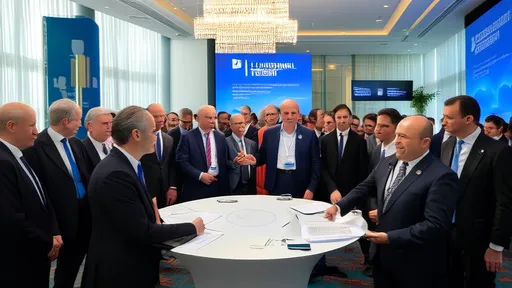
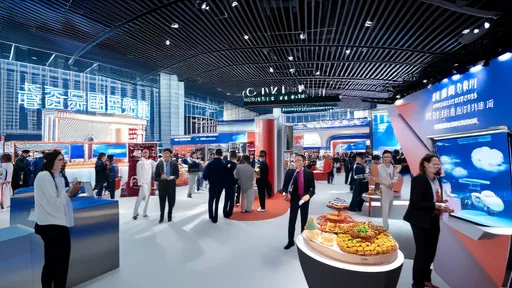
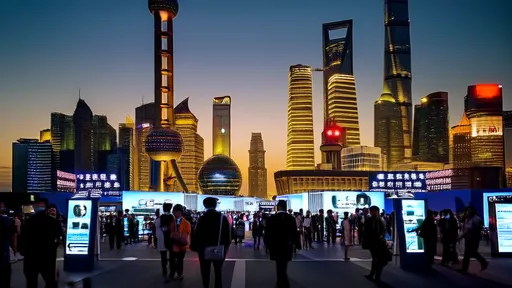
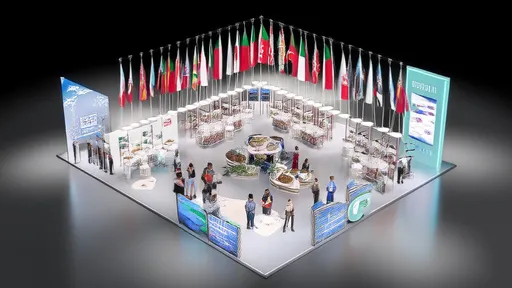
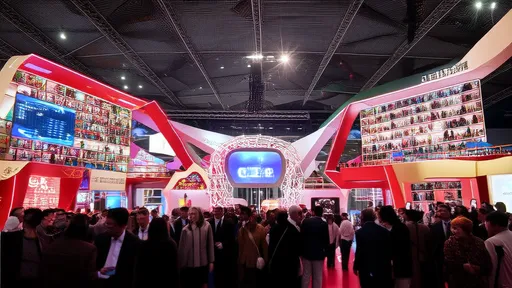
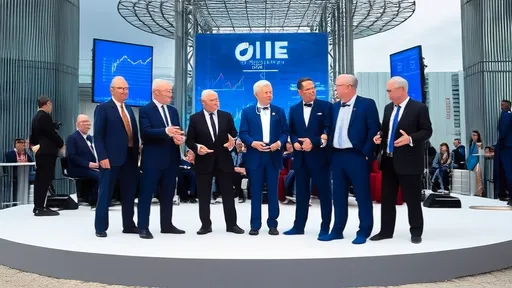
The sprawling exhibition halls of the National Exhibition and Convention Center in Shanghai are set to witness a significant geographical shift this year. The China International Import Expo (CIIE), a cornerstone of China's commitment to opening its markets, is dramatically expanding its dedicated section for African products. This strategic move goes beyond mere square footage; it represents a concerted effort to dismantle trade barriers and foster a more inclusive global economic dialogue. By amplifying the platform for nations often marginalized in international trade, the CIIE is sending a powerful message about shared prosperity and the untapped potential residing within the world's least developed countries (LDCs).
For many African nations and other LDCs, gaining meaningful access to the vast and complex Chinese consumer market has historically been a formidable challenge. Logistical nightmares, a labyrinth of regulatory requirements, and a simple lack of visibility have often kept their high-quality goods from reaching Chinese shelves. The CIIE's enhanced African product zone is designed specifically to be a battering ram against these obstacles. It functions as a curated gateway, providing a prestigious and highly visible stage for these countries to showcase their unique offerings directly to millions of Chinese buyers, distributors, and consumers. This is not just about offering booth space; it's about actively engineering connections that were previously improbable.
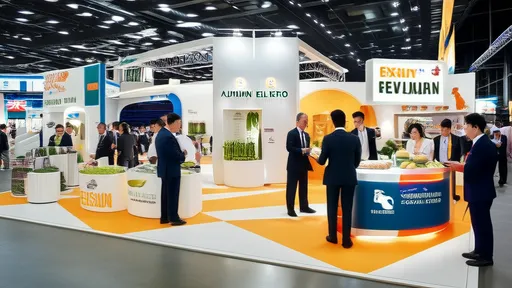
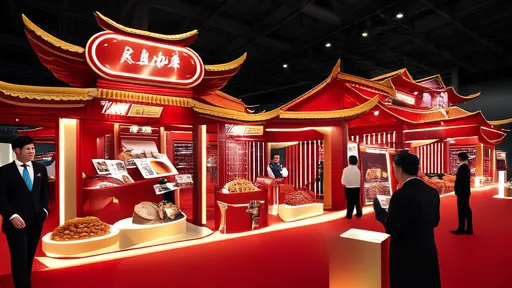
The expansion is tangible and ambitious. Organizers have allocated a substantially larger area within the prestigious Food and Agricultural Products exhibition hall. This isn't a token gesture tucked away in a corner. We are talking about a prime location, ready to be filled with the vibrant colors, textures, and aromas of the African continent. The scope of products expected is vast, moving far beyond traditional raw materials. Yes, there will be exceptional coffees from Ethiopia, rich cocoa from Ghana, and prized cashews from Mozambique. But the zone will also spotlight value-added goods that tell a new story of African innovation: ready-to-drink rooibos teas from South Africa, shea butter cosmetics from West Africa, exotic fruit preserves, and artisanal food products that speak to a rich cultural heritage.
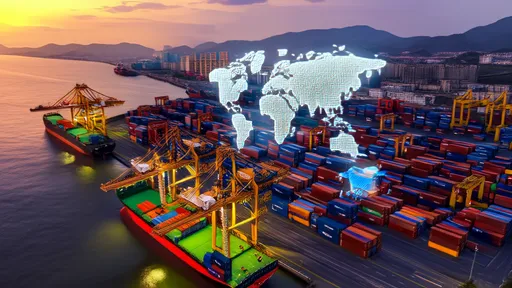
This initiative is deeply intertwined with China's broader foreign policy framework, particularly the Belt and Road Initiative (BRI). While the BRI has often been associated with massive infrastructure projects—ports, railways, and highways—the CIIE provides a crucial complementary channel: the infrastructure of trade itself. Building a road is one thing; ensuring that goods can efficiently travel that road and find a welcoming market at the other end is another. The CIIE acts as that commercial terminus, creating the demand and the distribution networks that give economic purpose to the physical connections. It is the soft power counterpart to hard infrastructure, ensuring that the bridges built lead to prosperous towns, not to nowhere.
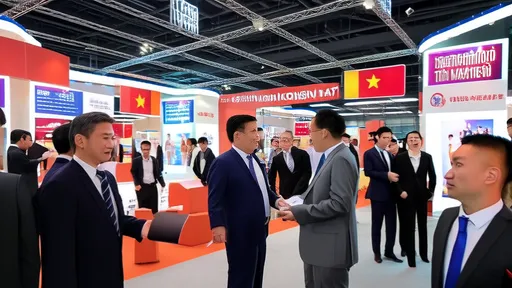
The benefits for participating African and LDC exporters are multifaceted and potentially transformative. The most immediate advantage is market access. The CIIE is one of the most concentrated gatherings of Chinese purchasing power in the world. For a small producer from Rwanda or a nascent cooperative from Senegal, the opportunity to meet face-to-face with executives from major Chinese retail chains like Hema Fresh or e-commerce giants like Alibaba is invaluable. It shortcuts years of business development effort. Furthermore, the expo offers an unparalleled platform for brand building and market intelligence. Exhibitors receive direct, real-time feedback on their products' appeal, packaging, and pricing from the world's most discerning consumers. This information is gold dust for businesses looking to tailor their offerings for the Chinese palate and preferences.
From the perspective of the Chinese market and its consumers, this expansion is equally beneficial. The Chinese middle class, now numbering in the hundreds of millions, is increasingly sophisticated and curious. There is a growing appetite for diversity, authenticity, and unique story-driven products. The influx of goods from Africa and LDCs caters perfectly to this demand. It introduces new tastes, new ingredients, and new narratives into the mainstream Chinese consciousness. Supermarkets and online platforms can diversify their shelves beyond the usual sources, offering consumers everything from argan oil from Morocco for beauty regimens to quinoa from Bolivia for health-conscious diets. This enriches the consumer experience and aligns with the government's push for a more consumption-driven, high-quality economic model.
Of course, the path is not without its hurdles. Supply chain consistency remains a critical challenge. A successful order secured at the CIIE is just the beginning. Many LDCs struggle with meeting the volume, quality consistency, and delivery timelines demanded by the large Chinese market. Issues with cold chain logistics for perishable goods, international certification standards, and navigating Chinese customs regulations can still stymie even the most promising deals. Recognizing this, the CIIE organizers and Chinese trade agencies are not stopping at providing a venue. They are increasingly coupling the exhibition with post-expo support, including trade facilitation workshops, matchmaking services, and guidance on complying with China's import standards.
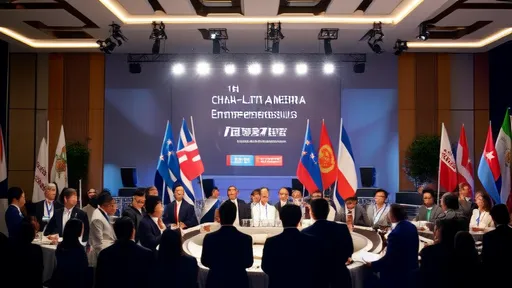
The long-term implications of this focused inclusion are profound. By systematically integrating these economies into its import ecosystem, China is helping to cultivate the next generation of global trading partners. This is a strategic investment in future markets. As these countries develop and their purchasing power grows, the trade relationships nurtured today could evolve into a more balanced two-way street. It fosters a sense of economic interdependence that is based on mutual benefit rather than dependency. Moreover, it positions the CIIE as more than just a trade show; it becomes a key instrument of South-South cooperation, a tangible example of how developing economies can work together to create new centers of economic gravity outside traditional Western markets.
In conclusion, the decision to expand the African product zone at the CIIE is a significant and symbolic step. It moves the narrative beyond aid and toward partnership, from charity to commerce. It acknowledges that the future of global trade is multipolar and that sustainable growth requires bringing more players into the fold. As the doors of the Shanghai expo open, they will reveal not just an array of new products, but a testing ground for a more inclusive model of globalization—one where the growth of one market does not have to come at the exclusion of another, but can indeed be the rising tide that lifts all boats.
By /Nov 4, 2025
By /Nov 4, 2025
By /Nov 4, 2025

By /Nov 4, 2025
By /Nov 4, 2025
By /Nov 4, 2025
By /Nov 4, 2025

By /Nov 4, 2025

By /Nov 4, 2025

By /Nov 4, 2025
By /Nov 4, 2025
By /Nov 4, 2025
By /Nov 4, 2025
By /Nov 4, 2025
By /Nov 4, 2025

By /Nov 4, 2025
By /Nov 4, 2025
By /Nov 4, 2025

By /Nov 4, 2025
By /Nov 4, 2025
