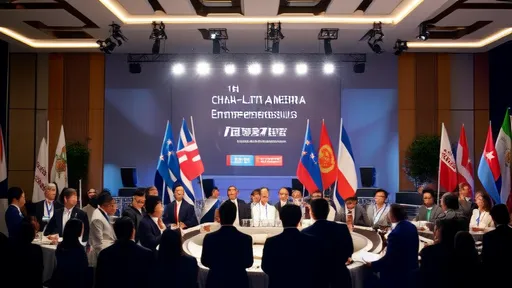
New Zealand has dispatched its largest trade delegation to Vietnam in five years, marking a significant milestone in the bilateral economic relationship between the two Asia-Pacific nations. The delegation, comprising over 85 businesses and sector representatives, arrived in Hanoi with substantial ambitions to deepen trade connections and explore emerging opportunities across multiple industries. This strategic move comes at a time when global supply chains are undergoing realignment and regional economic partnerships are gaining increased importance.
The scale of this trade mission underscores New Zealand's serious commitment to strengthening its economic footprint in Southeast Asia, with Vietnam positioned as a pivotal market. Led by senior government officials and industry leaders, the delegation represents diverse sectors including agritech, food and beverage, education, renewable energy, and digital technology. The comprehensive participation reflects New Zealand's multifaceted approach to engaging with Vietnam's rapidly evolving economy, which has demonstrated remarkable resilience and growth despite global economic headwinds.
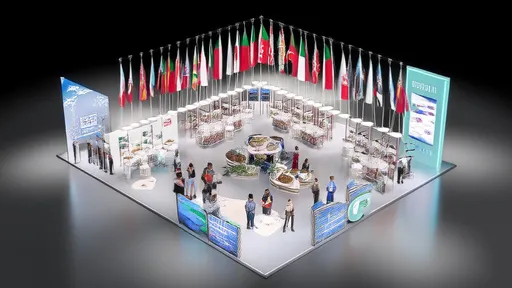
Vietnam's Autumn Expo serves as the primary platform for New Zealand's intensified trade push, with Kiwi companies occupying a prominent presence throughout the event. The expo, known for attracting international buyers and investors from across the region, provides an ideal venue for New Zealand businesses to showcase their innovative products and services. From sustainable agricultural solutions to cutting-edge educational technology, the New Zealand pavilion has become a hub of activity, drawing significant attention from Vietnamese business leaders and government representatives alike.
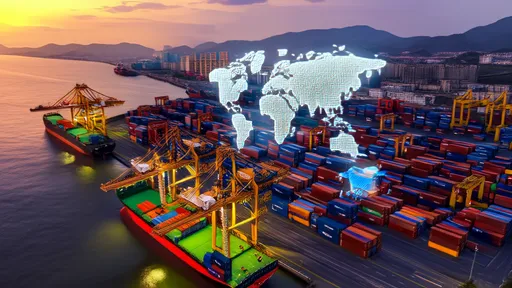
Trade between New Zealand and Vietnam has experienced steady growth in recent years, reaching approximately NZ$2.3 billion in two-way trade. However, both nations recognize the potential for substantially increased economic cooperation. The current trade mission aims to build upon existing frameworks while identifying new areas for collaboration that align with Vietnam's development priorities and New Zealand's export strengths. This strategic alignment presents opportunities for mutual benefit that extend beyond traditional trade relationships.
The timing of this enhanced trade engagement is particularly significant as Vietnam continues to implement ambitious economic reforms and infrastructure development projects. New Zealand's expertise in areas such as sustainable agriculture, food safety standards, and education quality assurance matches well with Vietnam's development needs. Meanwhile, Vietnam's growing middle class and increasing disposable income create promising market conditions for New Zealand's premium food and beverage exports, particularly dairy products, fruits, and meat.
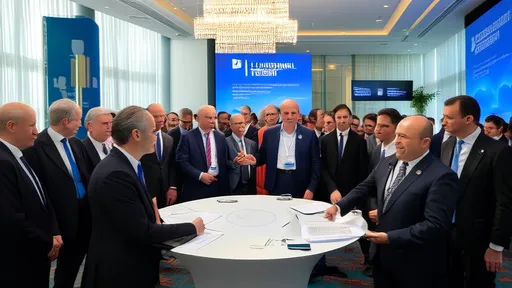
Several memorandum of understanding signings have already taken place between New Zealand and Vietnamese companies during the expo, covering areas ranging from agricultural technology transfer to educational partnerships. These agreements represent concrete steps toward deepening economic integration and knowledge sharing between the two nations. The collaborative spirit evident throughout the negotiations suggests a maturing relationship that extends beyond simple buyer-seller dynamics toward genuine partnership.
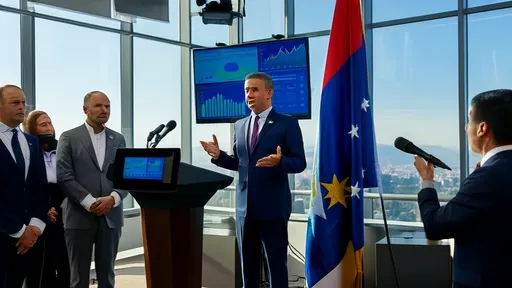
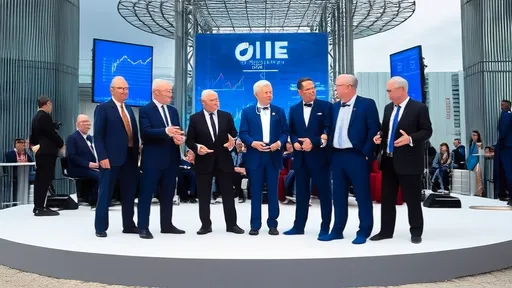
New Zealand's Trade Minister emphasized the strategic importance of Vietnam during opening remarks at the expo, noting that "Vietnam represents one of the most dynamic economies in Southeast Asia, with growth trajectories that complement New Zealand's economic strengths." The minister highlighted particular opportunities in digital trade, sustainable agriculture, and climate-friendly technology as areas where both countries can leverage their respective advantages for mutual benefit.
The composition of the New Zealand delegation reveals careful strategic planning, with strong representation from companies specializing in value-added food products, educational services, and environmental technology. This selection reflects both New Zealand's competitive advantages and Vietnam's import needs, creating natural synergies that business leaders from both countries have been quick to recognize and explore. The business matching sessions organized throughout the expo have reportedly generated substantial interest, with many companies scheduling follow-up meetings.
Education emerges as a particularly promising sector for collaboration, with several New Zealand universities and educational technology companies participating in the delegation. Vietnam's growing demand for quality education and English language training aligns well with New Zealand's established education export sector. Discussions have focused not only on student recruitment but also on institutional partnerships, research collaboration, and vocational training programs that address Vietnam's specific workforce development needs.
Agricultural technology represents another area of strong mutual interest, with New Zealand companies demonstrating innovative solutions for sustainable farming, food processing, and supply chain management. Vietnamese agricultural officials have expressed keen interest in adapting New Zealand's renowned agricultural practices to local conditions, particularly in areas such as dairy farming, fruit production, and food safety systems. The knowledge transfer potential in this sector appears substantial, with benefits for both countries' agricultural industries.
The trade mission also serves to strengthen people-to-people connections between New Zealand and Vietnam. Beyond formal business discussions, the delegation has engaged in cultural exchanges and networking events designed to build lasting relationships between business communities. These interpersonal connections often form the foundation for successful long-term commercial partnerships, creating networks that endure beyond individual transactions.
Vietnam's manufacturing capabilities and growing digital economy present additional opportunities for New Zealand businesses looking to diversify their supply chains or access new markets. Several New Zealand technology companies have reported productive discussions with Vietnamese counterparts about potential collaborations in software development, digital services, and e-commerce platforms. The complementary nature of the two economies becomes increasingly apparent as entrepreneurs from both countries discover overlapping interests and compatible capabilities.
As the expo continues, New Zealand business representatives remain optimistic about the prospects for strengthened trade relations. The enthusiastic response from Vietnamese partners suggests that the timing is right for expanded economic engagement. With both countries participating in regional trade agreements like the Comprehensive and Progressive Agreement for Trans-Pacific Partnership (CPTPP), the framework for increased trade is already established, providing a solid foundation upon which businesses can build.
The success of this trade mission could have implications beyond immediate commercial outcomes, potentially influencing New Zealand's broader trade strategy in Southeast Asia. A positive outcome may encourage similar initiatives with other regional partners while demonstrating the value of in-person engagement in an increasingly digital business environment. The lessons learned from this delegation will likely inform New Zealand's approach to trade promotion throughout the region.
Looking ahead, the challenge will be to convert the momentum generated at the expo into lasting commercial relationships. Both New Zealand and Vietnamese business leaders recognize that sustained effort will be required to nurture the connections made during this intensive week of meetings and events. However, the strong foundation being laid suggests that this trade mission represents not merely a temporary initiative but rather the beginning of a new chapter in New Zealand-Vietnam economic relations.
As global economic dynamics continue to shift, the strengthening partnership between New Zealand and Vietnam offers a compelling example of how middle powers can work together to navigate changing trade landscapes. The complementary nature of their economies, combined with shared interests in regional stability and sustainable development, creates fertile ground for expanded cooperation that benefits both nations while contributing to broader regional prosperity.
By /Nov 4, 2025

By /Nov 4, 2025
By /Nov 4, 2025

By /Nov 4, 2025

By /Nov 4, 2025
By /Nov 4, 2025

By /Nov 4, 2025

By /Nov 4, 2025

By /Nov 4, 2025

By /Nov 4, 2025
By /Nov 4, 2025

By /Nov 4, 2025

By /Nov 4, 2025

By /Nov 4, 2025

By /Nov 4, 2025

By /Nov 4, 2025

By /Nov 4, 2025
By /Nov 4, 2025

By /Nov 4, 2025
By /Nov 4, 2025
